
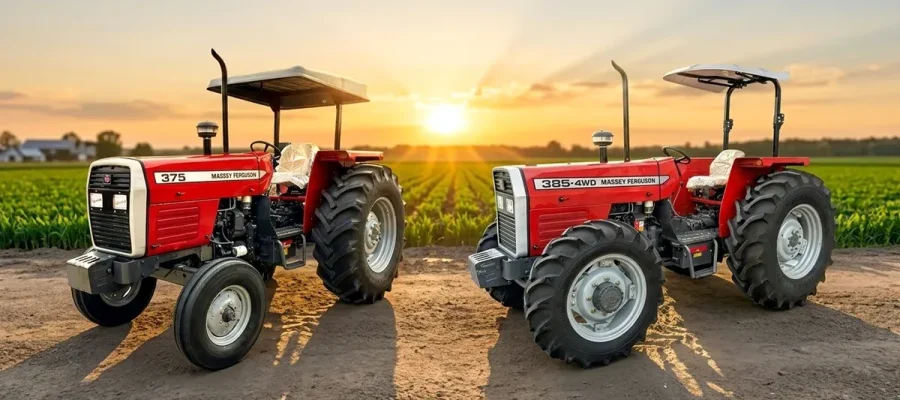
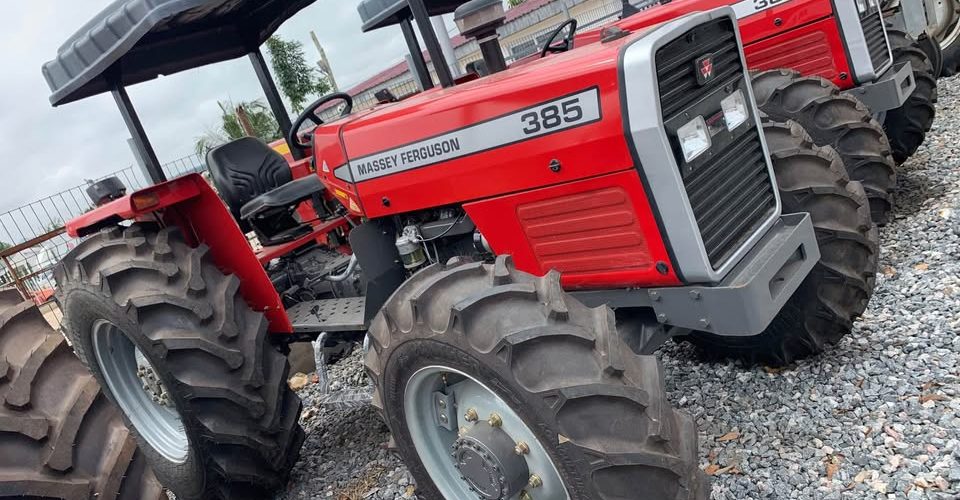
Agriculture remains the backbone of Nigeria’s economy, employing a significant portion of the workforce and providing food for millions. However, for decades, the sector relied heavily on manual labor and traditional tools like hoes and cutlasses. While these methods served past generations, the demands of a growing population require a shift towards mechanization. At the heart of this transformation is the farm tractor.
Farm tractors are more than just heavy machinery; they are the engines driving the modernisation of Nigerian agriculture. By moving away from subsistence farming to more commercial, mechanised practices, farmers across the country can unlock the true potential of their land.
Boosting Productivity and Yields with Farm Tractors in Nigeria
The primary advantage of introducing tractors to a farm is the immediate boost in productivity. A task that might take ten labourers a week to complete manually can often be finished by a single tractor in a day. This efficiency is crucial in Nigeria, where planting seasons are dictated by rainfall patterns. Missing the optimal planting window by even a few days can significantly impact harvest yields.
With the right implements attached, a tractor becomes a versatile powerhouse. From ploughing and harrowing to planting and harvesting, mechanization ensures that crops are managed with precision. This consistency leads to better soil aeration and seed placement, directly contributing to healthier crops and higher yields at harvest time.
Tractors for Nigerian Farmers: Saving Time and Reducing Labor Costs
One of the biggest challenges Nigerian farmers face is the shortage of reliable manual labor, particularly during peak seasons. As younger generations move to urban centers, finding hands to work the fields becomes difficult and expensive. Investing in a farm tractor solves this labor crisis.
By mechanising difficult tasks, farmers save immense amounts of time. This time can be redirected towards other critical aspects of agribusiness, such as processing, marketing, or expanding farm operations. Furthermore, while the initial investment in a tractor might seem significant, the long-term savings on daily wages for manual labourers make it a financially sound decision.
Investing in High-Quality Tractors in Nigeria
For mechanisation to be sustainable, the machinery must be durable and suited to the local terrain. Nigerian soil can be tough, and the climate demanding. Therefore, reliability is non-negotiable. Farmers need equipment that can withstand rigorous use without constant breakdowns.
This is where finding a trusted supplier becomes vital. For farmers looking for robust and high-performance machinery, MasseyTractors.ng stands out as a reliable source for purchasing high-quality tractors in Nigeria. They understand the specific needs of the local agricultural landscape and provide tractors known for their durability and fuel efficiency.
The Future of Modern Farming in Nigeria
The shift towards mechanisation is already transforming farming practices in states like Kano, Oyo, and Niger. Farmers who have adopted tractor use report not just higher incomes, but a better quality of life. They are no longer breaking their backs under the sun but are instead managing thriving agricultural businesses.
To feed the nation and grow the economy, Nigerian agriculture must embrace technology. A high-quality farm tractor is the first step in that journey, turning subsistence plots into productive, profitable enterprises.
Related Posts
Post a Comment